Проведите удалённый аудит поставщика из Китая: проверка документов, видео-тур, контроль качества, оценка. BQUQ: ISO 9001, отчёты по запросу.
Аудит китайского завода по производству деталей: чек-лист для удалённого покупателя
Удалённый аудит завода по производству деталей в Китае работает, когда проверяются факты, а не впечатления: действительность сертификата по органу, выдавшему его, списки оборудования по заявленной продукции, записи контроля по реальным номерам деталей и живой видео-тур по всем пунктам. Вы не увидите культуру завода в брошюре, но вы можете увидеть его системы. Запланируйте одну-две недели и структурированный чек-лист — и вы сможете оценить завод с уровнем уверенности, который защитит ваш первый заказ.
Большинство покупателей никогда не побывают на производственной площадке в Дунгуане, Шэньчжэне или Нинбо до своего первого заказа. Это нормально и решаемо. Удалённый аудит — это не ослабленная версия очного аудита, а другой метод со своими сильными сторонами: документы легче проверить спокойно, видео можно пересмотреть, и каждое заявление оставляет письменный след. Ошибка не в расстоянии, а в неструктурированном процессе, который позволяет поставщику показать вам то, что он хочет показать.
Этап 1: Аудит документов — что запросить в первую очередь
Отправьте запрос на документы до любого видеозвонка. То, что придёт в ответ — и как быстро — это ваша первая точка данных. Завод с работающими системами возвращает сертификаты, списки и образцы отчётов в течение нескольких дней и отвечает на уточняющие вопросы без затруднений.
| Документ | Что проверить | Красный флаг |
|---|---|---|
| Сертификат ISO 9001 | Аккредитация органа, выдавшего сертификат, область действия, сроки действия | Область действия не включает ваш тип продукции; сертификат просрочен или не поддаётся проверке |
| Лицензия на ведение бизнеса | Юридическое название совпадает с контрактной организацией, сфера деятельности включает производство | Торговая компания с названием, звучащим как производственное |
| Список оборудования | Типы и количество станков соответствуют необходимым вам процессам | Общий список без количества или марок |
| Отчёт о контроле образца | Реальные названия характеристик, размеры, приборы, даты | Пустой шаблон или скопированное форматирование |
| Ссылки на прошлые заказы | Фотографии деталей с деталями процесса, отрасли заказчиков | Отказ или предоставление только рендеров |
| Документы по процедурам качества | Определены входной контроль, контроль в процессе, окончательный контроль | Нет письменных процедур вообще |
Проверьте сертификат независимо: запишите орган, выдавший сертификат, и номер сертификата, затем подтвердите аккредитацию через реестр органа или национальную базу данных аккредитации. Удивительная доля отображаемых сертификатов не проходит эту проверку. Наше руководство по проверке ISO 9001 подробно объясняет, какие именно поля важны.
Этап 2: Живой видео-тур
Видеозвонок — это самое близкое к посещению цеха. Не принимайте предварительно записанный тур; ценность в том, чтобы просить показать что-то вживую и наблюдать, как поставщик реагирует. Структурируйте звонок по этапам: сначала офис и инженерный отдел, затем входной материал, производство, контроль и отгрузка.
| Точка наблюдения | Что вы хотите увидеть | Что это доказывает |
|---|---|---|
| Инженерный отдел/офис | Реальные люди за CAD-станциями; чертежи на экранах | Инженерия собственная, а не пересылаемая |
| Зона входного материала | Материал разделён и маркирован с информацией о марке/плавке | Прослеживаемость начинается до производства |
| Производственный цех | Станки, выполняющие ваш тип процесса; организованное хранение инструмента | Процесс, который вы покупаете, действительно существует здесь |
| Контрольная комната | КИМ, оптический проектор, калибры присутствуют и используются | Заявления об измерениях имеют физическое подтверждение |
| Документация по контролю качества | Журналы партий, журналы дефектов, наклейки о калибровке на калибрах | Системы используются, а не описываются |
| Отгрузка/упаковка | Упаковочные материалы, экспортные ящики, зона маркировки | Они регулярно осуществляют международные отгрузки |
Попросите камеру задержаться на наклейках о калибровке и идентификаторах калибров. Попросите показать прибор, который будет измерять вашу самую жёсткую характеристику. Завод, который не может направить камеру на свой КИМ, говоря об отчётах КИМ, только что ответил на вопрос, не сказав ни слова.
Этап 3: Оценка и матрица рисков
Оцените каждый этап и объедините их в простое решение по риску. Взвесьте этапы в зависимости от того, что вы покупаете: покупатель точной CNC-обработки придаёт больший вес контролю и доказательствам процесса; покупатель штамповки — доказательствам инструмента/обслуживания.
| Этап | Вес | Оценка 0–10 | Примечания |
|---|---|---|---|
| Полнота и скорость предоставления документов | 20% | Поздние или частичные ответы оцениваются низко независимо от содержания | |
| Проверка сертификатов и лицензий | 15% | Всё или ничего: непроверяемые сертификаты ограничивают общую оценку | |
| Видео-тур — процесс существует | 25% | Основной процесс физически присутствует, собственными силами | |
| Доказательства возможностей контроля | 25% | Приборы, калибровка, отчёты по образцам | |
| Коммуникация и коммерческая ясность | 15% | Письменные условия, указанные контакты, чёткая обработка ревизий |
Практическое правило принятия решения: ниже 6/10 — не заказывайте без платной пилотной партии и стороннего контроля; 6–8/10 — закажите небольшую партию с полным отчётом о контроле, который вы проверите; выше 8/10 — продолжайте с обычными мерами контроля. Никогда не позволяйте отдельной оценке выше 8 заменить контроль на уровне партии — см. руководство по AQL и предотгрузочному контролю о том, как работают проверки партий.
Этап 4: Пробный заказ — аудит, который действительно решает
Аудит документов и видео-тур квалифицируют поставщика для разговора. Платный пробный заказ квалифицирует их для вашего бизнеса. Спроектируйте пробный заказ так, чтобы проверить ваши критические характеристики: небольшое количество с производственным допуском, с отчётом о контроле, охватывающим указанные вами размеры, и независимым измерением нескольких деталей, если стоимость это оправдывает. Пробный заказ отвечает на единственный важный вопрос: соответствует ли партия заявлению?
Как выглядит успешный аудит: пример профиля
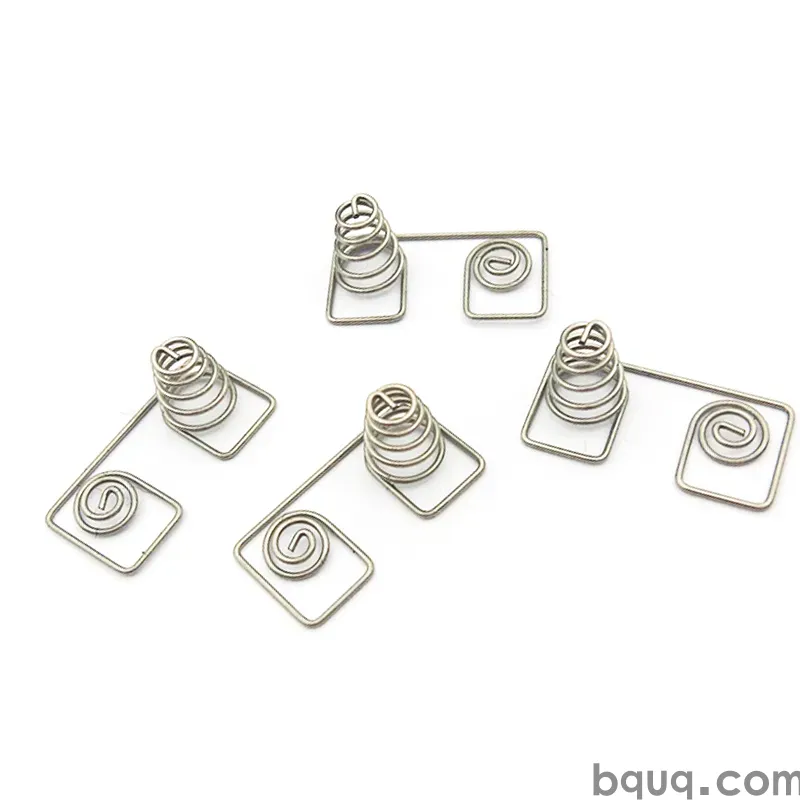
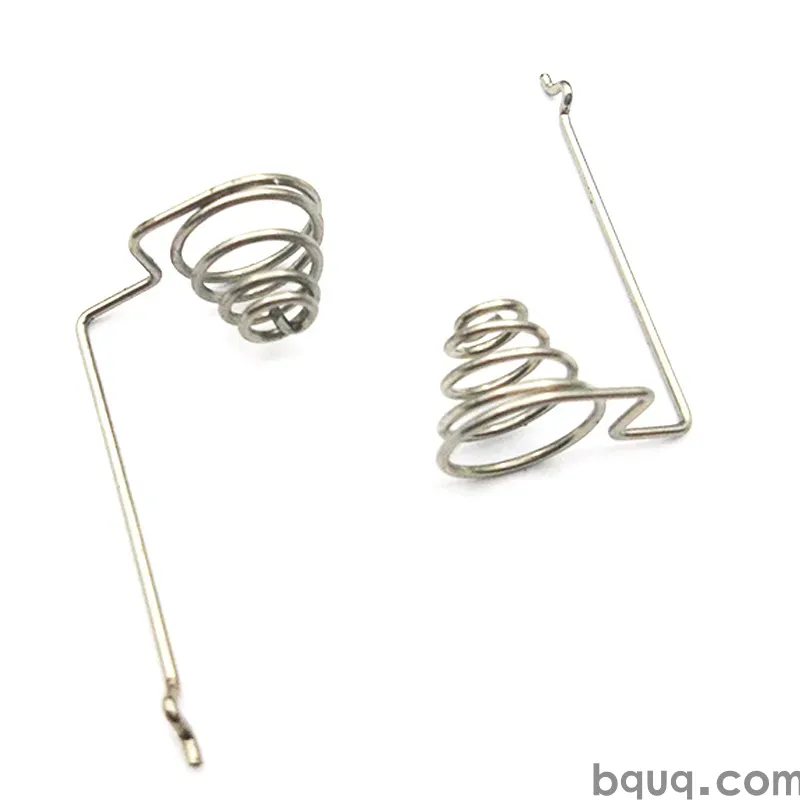
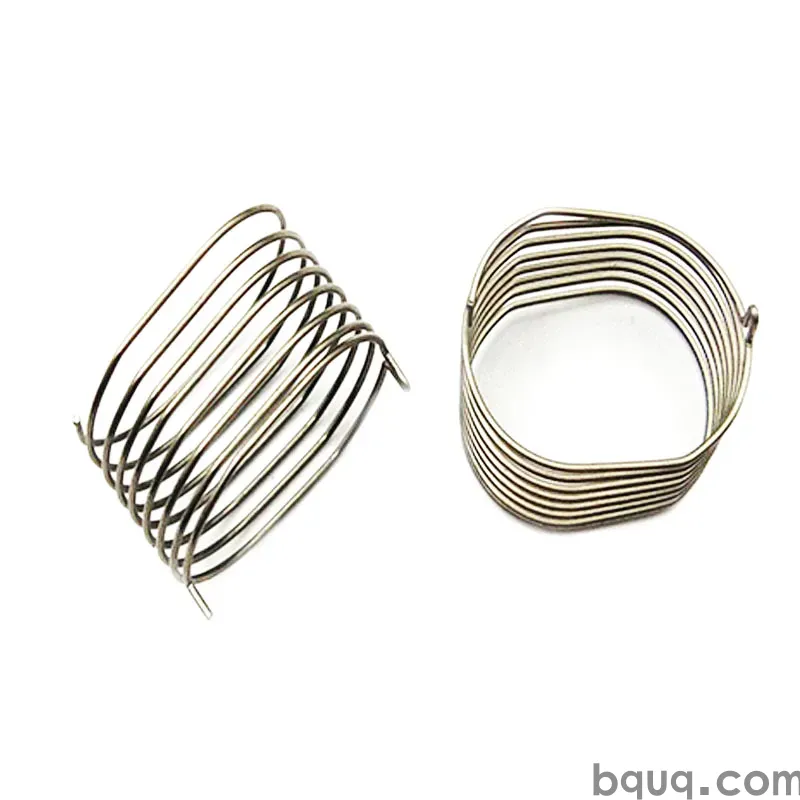
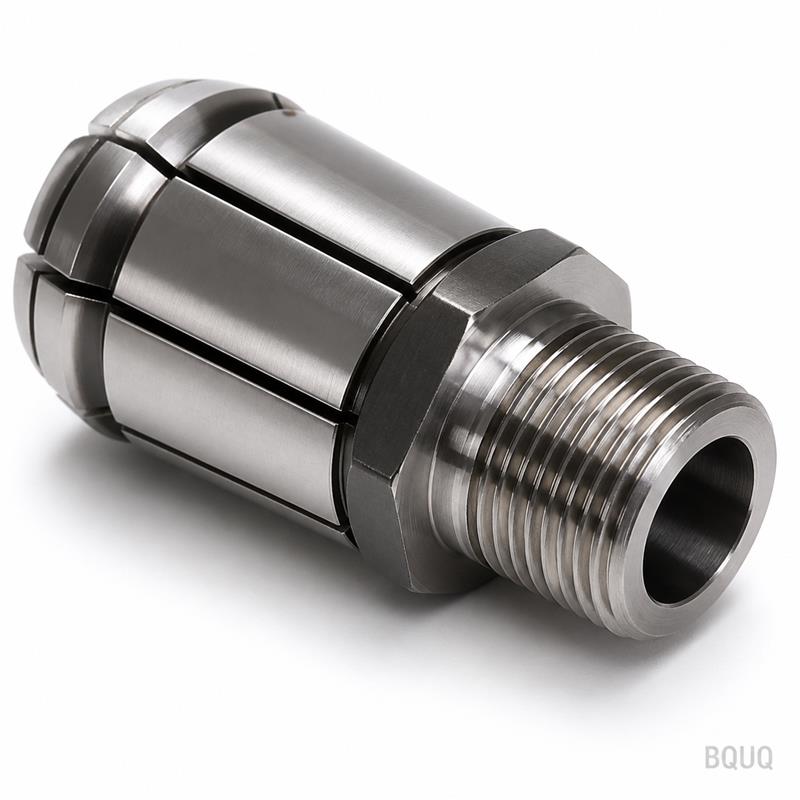
Чтобы сделать чек-лист конкретным, вот профиль завода, который обычно проходит этот аудит — используя проверяемые факты BQUQ в качестве примера. Лицензия на бизнес и сертификат ISO 9001 на юридическое название BQUQ, с областью действия сертификата, охватывающей точную обработку и производство метизов, доступны по запросу и проверяемы у органа, выдавшего сертификат. Оборудование и производственные линии — токарная обработка с ЧПУ, фрезерная обработка с ЧПУ, штамповка металла, пружины на заказ, радиаторы и цанги — физически присутствуют на одном предприятии в Дунгуане, показаны вживую во время видео-тура, а наш обзор оборудования и процессов соответствует тому, что видит камера. Производственный допуск ±0,005 мм на критических обработанных характеристиках, подтверждённый КИМ на месте, с образцами отчётов КИМ, предоставляемыми до заказа. Каждая партия отгружается с отчётом о размерном контроле согласованных характеристик — предлагается как стандарт, а не как платная опция. Инженерный отдел отвечает на вопросы по чертежам в течение цикла котировки, а котировки возвращаются в течение 12 рабочих часов после получения чертежа (sc@bquq.com, WhatsApp +86 13713157787).
Этот профиль — не причина пропустить аудит; это результат, для получения которого аудит и предназначен. Примените тот же чек-лист к любому кандидату, включая BQUQ, и пусть факты решают. Наш профиль компании и линейка цанг являются частью той же проверяемой записи: смотрите, проверяйте, затем заказывайте.
Часто задаваемые вопросы
В: Может ли удалённый аудит действительно заменить посещение завода?
Для первого заказа — да, если он структурирован: проверка документов, живой видео-тур, оценка и платная пробная партия с проверенным отчётом о контроле. Очный визит добавляет ценность позже для программ с большими объёмами или высоким риском, но должен подтверждать то, что уже показали удалённые доказательства.
В: Сколько времени занимает полноценный удалённый аудит?
Обычно от одной до двух недель: несколько дней на запрос документов и проверку, один запланированный видео-тур продолжительностью 60–90 минут, затем время на оценку и уточняющие вопросы. Быстрее обычно означает поверхностнее.
В: Какой документ наиболее полезно запросить в первую очередь?
Недавний отчёт о размерном контроле детали, похожей на вашу. Он показывает, измеряет ли завод реальные характеристики реальными приборами. Сертификат говорит вам, что они заплатили за систему; отчёт говорит вам, что они её используют.
В: Как проверить сертификат ISO 9001 на расстоянии?
Запишите орган по сертификации и номер сертификата, затем проверьте реестр клиентов органа или национальную базу данных аккредитации. Убедитесь, что область действия охватывает ваш тип продукции и что сроки действия актуальны.
В: Что должен включать пробный заказ?
Небольшое количество вашей реальной детали с производственным допуском, письменный отчёт о контроле, охватывающий указанные вами критические размеры, и независимое измерение нескольких деталей, если стоимость это оправдывает. Задокументируйте согласованные критерии в заказе, чтобы отчёт был контрактно обязательным.
Автор: инженерная команда BQUQ. BQUQ — это сертифицированный по ISO9001 завод-источник в Дунгуане, Китай, выполняющий CNC-обработку, штамповку металла, пружины на заказ, радиаторы и цанги под одной крышей. Отправляйте чертежи на sc@bquq.com или WhatsApp +86 13713157787 для получения котировки в течение 12 рабочих часов. www.bquq.com