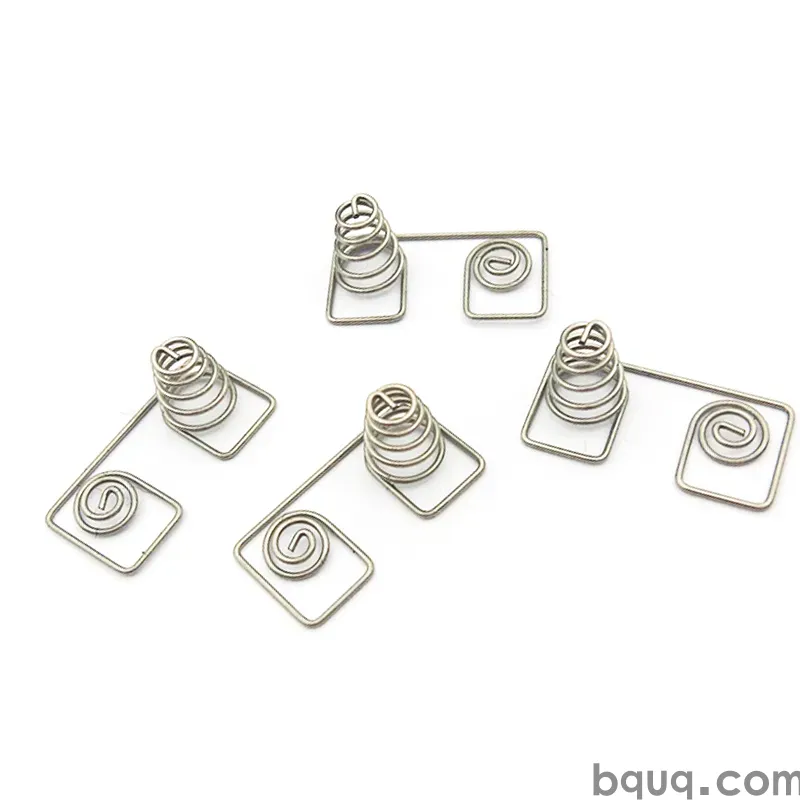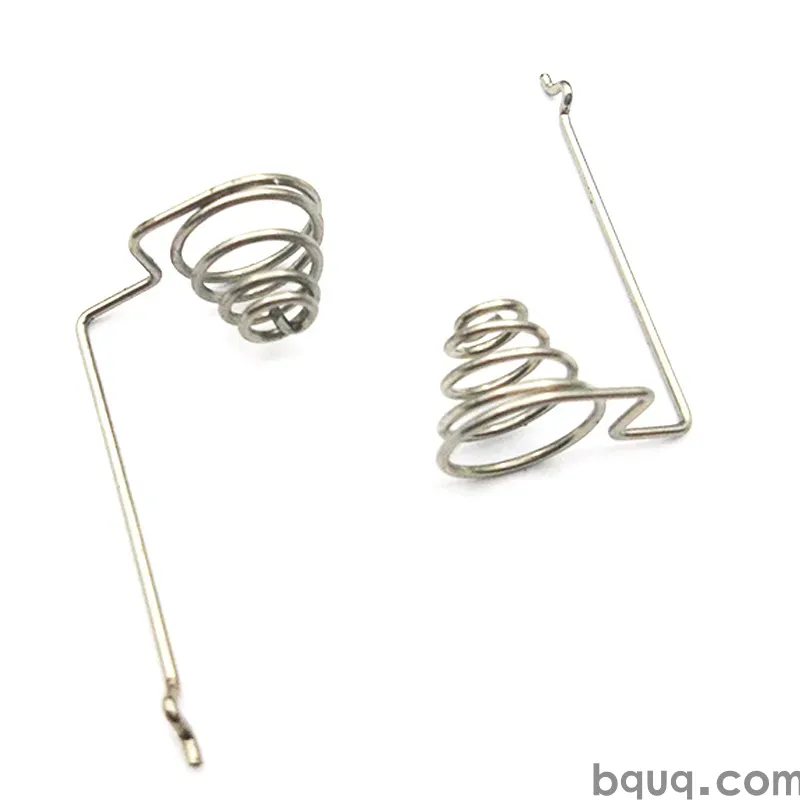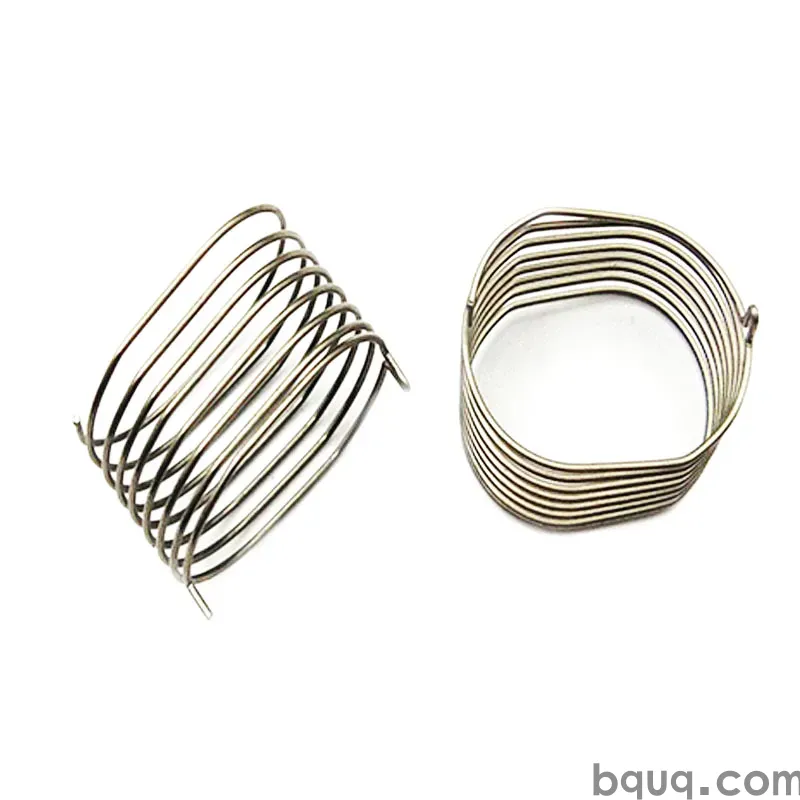
Шины для электромобилей и энергетики: сравнение штампованных и обработанных медных шин по проводимости, качеству кромок, допускам и стоимости при объеме, от завода-изготовителя ISO9001 в Дунгуане.
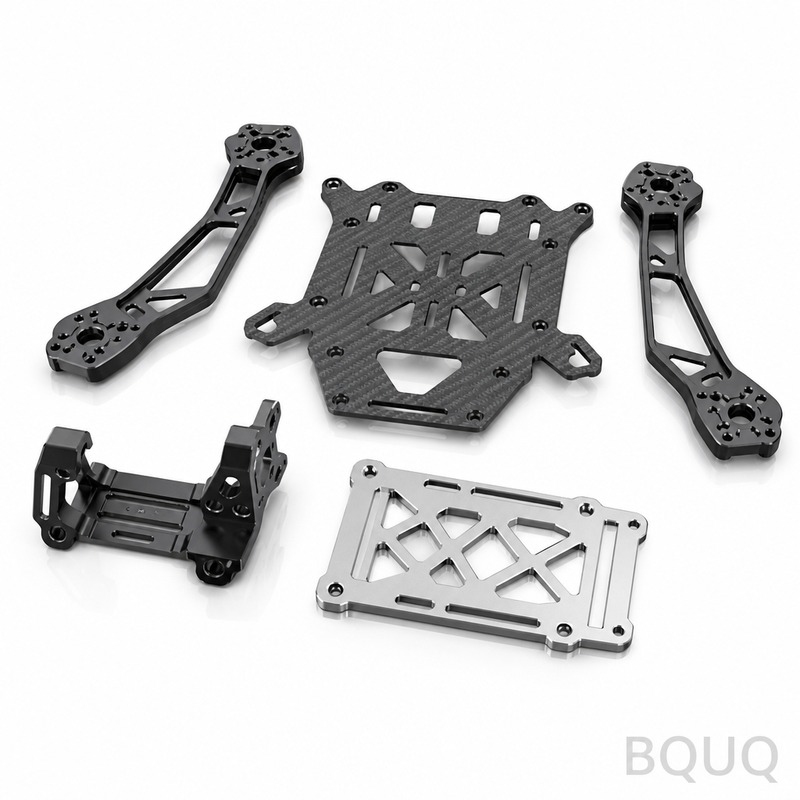
Шины для электромобилей и энергетики: штамповка против механической обработки меди
Краткий ответ: тонкие шины большого объема штампуются; толстые, малосерийные или высокоточные шины обрабатываются механически. Штампованная медная шина в диапазоне 1–3 мм может производиться в несколько раз быстрее, чем обработанная, и является стандартным решением для межблочных плат аккумуляторов электромобилей и распределения энергии в больших масштабах. Механическая обработка оправдывает свою стоимость при толщине примерно от 3–6 мм, для небольших партий или когда чертеж требует чистых обработанных кромок и жестких допусков, которые не может обеспечить сдвиг при штамповке.
Шина — это токопроводящая полоса из меди, иногда алюминия, которая передает энергию от ячеек к модулям, от модулей к пакетам или от пакетов к инверторам и распределительным щитам. Она должна проводить ток без перегрева, оставаться в пределах жесткого бюджета сопротивления и выдерживать вибрацию и термоциклирование в течение всего срока службы транспортного средства или установки. Способ ее изготовления определяет качество кромок, допуски и большую часть стоимости при объемном производстве.
Марки меди для шин
Металл в основном одинаков независимо от процесса: высокопроводящая медь в диапазоне 99,9%. Чертеж обычно требует C110 (электролитная медь с кислородом), C102 или C101 (бескислородная), потому что проводимость является основной целью детали. Сплавы и покрытия меняются на границах раздела — контактные зоны покрываются оловом, никелем или серебром в местах соединений.
| Марка | Проводимость (IACS) | Примечания |
|---|---|---|
| C110 ETP медь | ~100% | Стандартная медь для шин, экономичная |
| C102 OFHC | ~100% | Бескислородная, для ответственной сварки и пайки |
| C101 OFE | ~100% | Наивысшая чистота, для премиальных применений |
| C145 теллуристая медь | ~90%+ | Только там, где обрабатываемость важнее проводимости |
| Алюминий 6061/6101 | ~40–55% | Легкие шины, большие сечения |
Вывод: для медной шины выбор марки в основном касается чистоты и метода соединения, а не прочности. Если шина сваривается или паяется при сборке, бескислородные марки предотвращают охрупчивание в месте соединения; если она чисто болтовая, ETP медь является экономичным стандартом.
Штамповка шины
Штампованная шина вырубается из медной ленты, затем формуется: пробиваются монтажные отверстия, изгибается в 3D-форму, часто чеканится или уплощается на контактных площадках для контроля толщины и качества поверхности. Прогрессивные штампы выполняют всю последовательность — вырубка, пробивка, чеканка, формовка, а иногда и резка на длину из рулона — за один проход. При толщине до примерно 3 мм это быстро и точно, с позициями, выдерживаемыми в пределах типичных ±0,05–0,15 мм по всей детали.
Ограничения реальны. Вырубка оставляет кромку сдвига и разрыва, поэтому профильная кромка не идеально квадратная и может иметь небольшой заусенец. Острые внутренние углы и очень малые радиусы изгиба вблизи отверстий рискованны, потому что медь упрочняется при деформации, и кромка может треснуть. Толстая медь выше 3–6 мм требует тяжелого тоннажа пресса и все более трудно контролируемого пружинения, что делает штамповку неочевидным решением.
| Аспект | Штампованная шина | Обработанная шина |
|---|---|---|
| Оптимальная толщина | 0,5–3 мм типично | 3 мм и выше, сплошной пруток |
| Состояние кромки | Зона сдвига и разрыва, заусенцы удалены | Чистые квадратные обработанные кромки |
| Радиусы углов | Большие, зависят от штампа | Острые, как на чертеже |
| Позиция отверстий | ±0,05–0,15 мм типично | ±0,01–0,05 мм типично |
| Стоимость за единицу при 10 тыс. шт. | Очень низкая | Высокая |
| Оснастка | Штамп, недели на изготовление | Минимальная |
| Стоимость изменения конструкции | Модификация штампа | Редактирование программы |
Вывод: читайте таблицу как историю о толщине и объеме. Штампованные шины — это объемный продукт индустрии электромобилей; обработанные шины — решение для толстых сечений, прототипов и малосерийных программ, а также для чертежей, где точность кромок и отверстий имеет решающее значение.
Когда механическая обработка — правильный выбор
Обработанные шины изготавливаются из медного прутка или плиты и профилируются на фрезерном станке с ЧПУ — или вырубаются с припуском, а затем обрабатываются — что дает чистые кромки, контролируемую толщину на контактных площадках и допуски, которые штамп не может гарантировать. Механическая обработка также справляется с геометрией, которую штамповка не может: толстые сечения, резьбовые отверстия, точные карманы, ступенчатые профили и единичные формы для проверочных сборок.
| Сценарий | Лучший маршрут | Почему |
|---|---|---|
| 100 штук, прототип пакета | Механическая обработка на ЧПУ | Нет затрат на штамп, дни, а не недели |
| 0,8 мм межблочная плата, 50 тыс. шт. | Штамповка | Стоимость за единицу и скорость решают decisively |
| 6 мм толстая шина главного пакета | Механическая обработка | Тоннаж пресса и пружинение против штамповки |
| Многогибочная модульная шина, 10 тыс. шт. | Штамповка с формовочным штампом | Стоимость формовки — один штамп, а не за деталь |
| Шина с резьбовыми отверстиями и точными поверхностями | Механическая обработка | Резьба и плоскостность — обработанные характеристики |
Вывод: объем определяет процесс, толщина определяет практический предел, а характеристики определяют остальное. Фабрика, которая предлагает штамповку для 6 мм прутка или механическую обработку для 100 000 тонких межблочных плат, не служит чертежу. Мы ведем обе линии на BQUQ в одном заводе ISO9001, и гибридные детали — штампованный корпус, обработанные контактные поверхности и отверстия — распространены, потому что они объединяют две кривые затрат.
Поверхностная обработка и покрытие в местах соединений
Контактные зоны определяют, останется ли шина прохладной и надежной. Голая медь окисляется и со временем увеличивает сопротивление, поэтому болтовые и сопрягаемые поверхности обычно покрываются: олово для обычных силовых соединений, никель там, где важны более высокие температуры или коррозионная стойкость, серебро для сильноточных распределительных устройств и высоковольтных соединений электромобилей. Покрытие часто наносится выборочно, чтобы покрывались только контактные площадки.
Покрытие следует за выбором процесса. Штампованная шина обычно покрывается на ленте до формовки или покрывается как готовая деталь с маскированием контактных зон. Обработанная шина покрывается после механической обработки, поскольку резка удаляет любое предыдущее покрытие. В любом случае спецификация покрытия — толщина, тип и подготовка поверхности под ним — должна быть на чертеже, потому что покрытие штампованных контактов — это то, где начинаются отказы в полевых условиях.
Что нужно чертежу шины
Отправьте марку материала, толщину, намерение по токоведущему сечению, схему отверстий с позициями, радиусы и углы изгиба, спецификацию покрытия на контактных зонах и годовое количество. С этими пятью входами штамповочное производство может быстро сказать, является ли ваша деталь деталью для штампа, для механической обработки или гибридной. Линии штампованных клемм и контактов и кронштейнов и креплений, которые мы ведем, ежедневно обрабатывают тонкий точный конец этого диапазона; ЧПУ обрабатывает толстый конец, и обе котировки поступают из-под одной крыши, поэтому рекомендация соответствует вашему объему.
Часто задаваемые вопросы
В: Можно ли штамповать шины из толстой меди, например, из плиты 5 мм?
Да, но это становится сложнее и дороже с увеличением толщины: тоннаж растет, кромки показывают больше разрыва, а пружинение становится трудно контролировать. Выше примерно 3–6 мм механическая обработка медного прутка обычно более надежный и экономичный путь.
В: Снижает ли штамповка медной шины ее проводимость?
Нет. Проводимость определяется сплавом и сечением, а не способом резки профиля. Штамповка меняет качество кромок и допуски; сопротивление не затрагивается, если марка материала и сечение соответствуют чертежу.
В: Почему шины для электромобилей покрываются, хотя медь хорошо проводит?
Потому что корродирует интерфейс, а не основной металл. Оксид меди увеличивает сопротивление в болтовых соединениях и может вызвать перегрев. Покрытие оловом, никелем или серебром на контактных площадках поддерживает низкое и стабильное сопротивление соединения в течение всего срока службы пакета.
В: Какой самый быстрый способ получить прототипы шин до создания штампа?
Обработать их на ЧПУ из медного прутка или плиты. Без оснастки, детали за дни, и конструкция может быть изменена. Как только конструкция зафиксирована и объем оправдывает, тот же чертеж переходит на штамп, а обработанные детали служат эталоном для валидации.
В: Насколько точно можно выдержать позиции отверстий в штампованных шинах?
Обычно ±0,05–0,15 мм по всей детали в хорошо изготовленном прогрессивном штампе, в зависимости от размера и толщины. Если чертеж требует более жестких допусков, отверстия переходят на вторичную механическую обработку — это гибридный маршрут, который мы используем, когда штамп не может выдержать чертеж.
Автор: инженерная команда BQUQ. BQUQ — сертифицированный завод-изготовитель ISO9001 в Дунгуане, Китай, где под одной крышей работают линии механической обработки на ЧПУ, штамповки, изготовления нестандартных пружин, радиаторов и цанг. Отправляйте чертежи на sc@bquq.com или WhatsApp +86 13713157787 для получения котировки в течение 12 рабочих часов. www.bquq.com