Литье с закладными элементами из штампованных металлических деталей: как вставки удерживаются, анкеруются и герметизируются в пластике, прочность на вырыв и когда процесс превосходит сборку.
Литье с закладными элементами: объединение штампованного металла с пластиком в одной детали
Краткий ответ: литье с закладными элементами размещает предварительно изготовленную металлическую деталь — обычно штампованный терминал, штифт, гайку или кронштейн — в литьевую форму, затем пластик впрыскивается вокруг нее, так что они становятся единым компонентом. Штампованная вставка выполняет электрическую и механическую работу, пластик обеспечивает структуру, изоляцию и герметизацию, а соединение держится за счет геометрии: отверстий, фланцев и накаток, в которые пластик защелкивается. Никакой последующей сборки, никаких свободных деталей, никакого накопления допусков между отдельными компонентами.
Почти каждый корпус разъема, корпус датчика, ручка электроинструмента и автомобильный электронный модуль, которые вы держали в руках, содержат штампованную металлическую деталь, отлитую с закладным элементом. Металл проводит ток или несет нагрузку; пластик позиционирует его, изолирует и герметизирует. Инженерный вопрос заключается не в том, использовать ли этот процесс, а в том, как спроектировать штампованную вставку, чтобы пластик надежно удерживал ее на протяжении всего срока службы. Это руководство рассматривает сторону вставки, потому что именно здесь процесс либо succeeds, либо терпит неудачу.
Как работает процесс
Последовательность проста в принципе. Прогрессивный штамп изготавливает металлическую вставку полностью — часто с уже нанесенным покрытием — и обычно на ленте-носителе или в рулоне, чтобы литьевая машина могла автоматически подавать вставки. Форма закрывается над вставкой, удерживая ее в расчетных базовых точках, пластик впрыскивается вокруг заанкеренных элементов, и после охлаждения готовая деталь извлекается с полностью герметизированным металлом или с открытыми участками, где это требуется по конструкции.
| Этап процесса | Что происходит | Почему это важно |
|---|---|---|
| Штамповка ленты | Штамп формирует вставку, часто на ленте-носителе | Точный контроль положения между элементами |
| Покрытие (опционально) | Золото, олово или никель на контактных участках | Паяемость и контактные характеристики |
| Загрузка | Вставка размещается или подается в полость формы | Базы должны соответствовать фиксаторам формы |
| Впрыск | Пластик обтекает анкерные элементы | Направление потока не должно смещать вставку |
| Извлечение и обрезка | Деталь освобождается, лента-носитель отрезается | Контроль заусенцев и облоя на линии разъема |
Основной вывод: задача вставки — выдержать процесс литья. Пластик впрыскивается под высоким давлением и температурой, и если вставка не зафиксирована точно и не заанкерена должным образом, она смещается — а смещенная вставка означает бракованную деталь, которая покидает форму до того, как кто-либо заметит проблему.
Анкерные элементы: как держится соединение
Связь между пластиком и металлом является механической, а не химической. Никакой клей не удерживает вставку на месте; пластик усаживается на элементы металла и в них по мере охлаждения. Закладывайте анкер в штамповку с самого начала. Круглые гладкие штифты выдергиваются; тот же штифт с пробитым отверстием, чеканной накаткой, лыской или фланцем держится.
| Анкерный элемент | Как работает | Типичное применение |
|---|---|---|
| Пробитое отверстие | Пластик протекает через него и фиксирует с обеих сторон | Терминалы, штифты для печатных плат |
| Чеканная накатка или ребра | Механический ключ против проворачивания | Гайки, резьбовые вставки |
| Развальцованная или расклепанная головка | Захваченный фланец под пластиком | Кронштейны, втулки |
| Ступень или буртик | Осевое удержание против вырыва | Корпуса датчиков, разъемы |
| Крюк или зазубрина | Односторонний захват для тонких стенок | Малые терминалы, клипсы |
Основной вывод: каждый анкер добавляет элемент штамповки и, следовательно, стоимость штампа, поэтому размещайте удержание точно там, где требует направление нагрузки. Для нагрузок на вырыв нужны сквозные отверстия или буртики; для крутящих нагрузок — накатка или лыски. Анкер, который противодействует неправильному направлению нагрузки, — это просто украшение.
Пластики, формуемые вокруг металла
Смола должна механически связываться, выдерживать температуру вставки и заполнять тонкие сечения вокруг металла, не растрескиваясь. Стеклонаполненные инженерные пластики доминируют, потому что они меньше усаживаются и сохраняют размерную стабильность вокруг жесткого металлического сердечника. Вставка также проводит тепло, поэтому время цикла и поведение усадки изменяются по сравнению с литьем только пластика.
| Смола | Типичное применение | Примечания по металлическим вставкам |
|---|---|---|
| PA66 (нейлон 66), стеклонаполненный | Разъемы, корпуса | Поглощает влагу; изменение размеров при влажности |
| PA6T / PPA | Автомобильные разъемы | Высокая температура, низкое влагопоглощение |
| LCP | Разъемы с мелким шагом | Течет в тонкие сечения, очень стабилен, дороже |
| PBT, стеклонаполненный | Корпуса реле и датчиков | Хороший баланс стоимости и стабильности |
| PPS | Электроника для суровых условий | Высокая температура и химическая стойкость, дорого |
Основной вывод: согласуйте коэффициент теплового расширения смолы с условиями эксплуатации. Пластик усаживается на металл при охлаждении, что и создает захват — но смола с сильно отличающимся расширением от вставки может также вызвать напряжение или растрескивание пластика при термических циклах, поэтому выбирайте пару для рабочей среды, а не только по формуемости.
Где литье с закладными элементами превосходит сборку
Литье с закладными элементами существует для устранения этапов сборки. Сравните штампованный терминал, отлитый непосредственно в корпус разъема, с тем же терминалом, закрепленным клепкой, пайкой или винтом в отдельном корпусе: литая версия устраняет крепеж, трудозатраты, накопление допусков и потенциальный интерфейс коррозии. Себестоимость единицы падает, когда объемы оправдывают стоимость формы, обычно начиная с десятков тысяч деталей и выше.
| Подход | Количество деталей | Сборочные трудозатраты | Типичное слабое место |
|---|---|---|---|
| Литье с закладными элементами | 1 (литая сборка) | Нет после литья | Стоимость формы, позиционирование вставки |
| Терминал + корпус + клепка | 2–3 | Высокие | Свободный терминал, коррозия |
| Терминал + пайка на печатную плату | 2–3 | Средние | Усталость паяного соединения |
| Винтовое или заклепочное крепление | 3+ | Высокие | Ослабление крепежа, стоимость |
Основной вывод: точка пересечения касается системной стоимости, а не стоимости штамповки. Более дорогая штампованная вставка часто является самым дешевым решением, потому что она устраняет оболочку разъема, крепеж и час сборочных работ. Герметизированные вставки также выигрывают по экологическим характеристикам — ничто не впитывает влагу вдоль резьбы крепежа, которого не существует.
Проектирование вставки для формы
Придайте вставке элементы, которые делают этап литья надежным. Допуски на плоскостность и позиционирование вставки контролируют, где она находится в полости — штампованная вставка, которая изогнута или имеет неточные позиции отверстий, либо не загрузится, либо сместится под давлением впрыска. Базируйте критические пластиковые элементы от поверхностей вставки, которые форма фактически фиксирует. Держите открытые контактные зоны без облоя, проектируя запорные поверхности во вставке или принимая вторичную зачистку.
Порядок нанесения покрытия важен: если открытая контактная зона требует золота или олова, наносите покрытие на ленту до литья. Покрытие после литья означает маскирование пластика и борьбу с химикатами вокруг интерфейса. Штампованные вставки, которые мы поставляем из линейки штампованных терминалов и контактов, имеют размерный контроль каждой партии в рамках нашей системы ISO9001, потому что процент брака у литейщика напрямую связан с тем, насколько стабильно вставка поступает.
Гибридная логика: один поставщик, два процесса
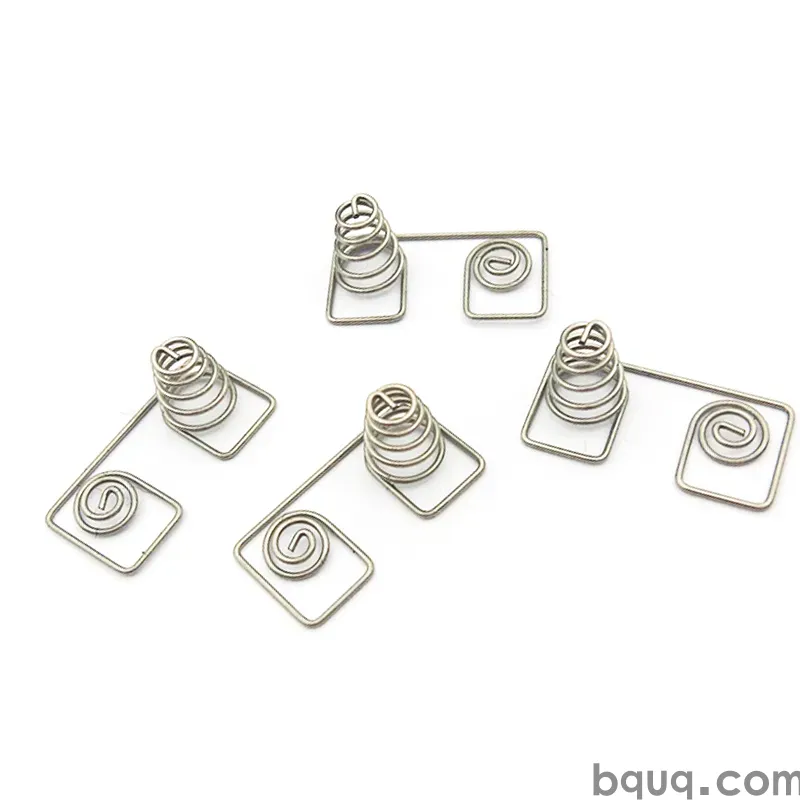
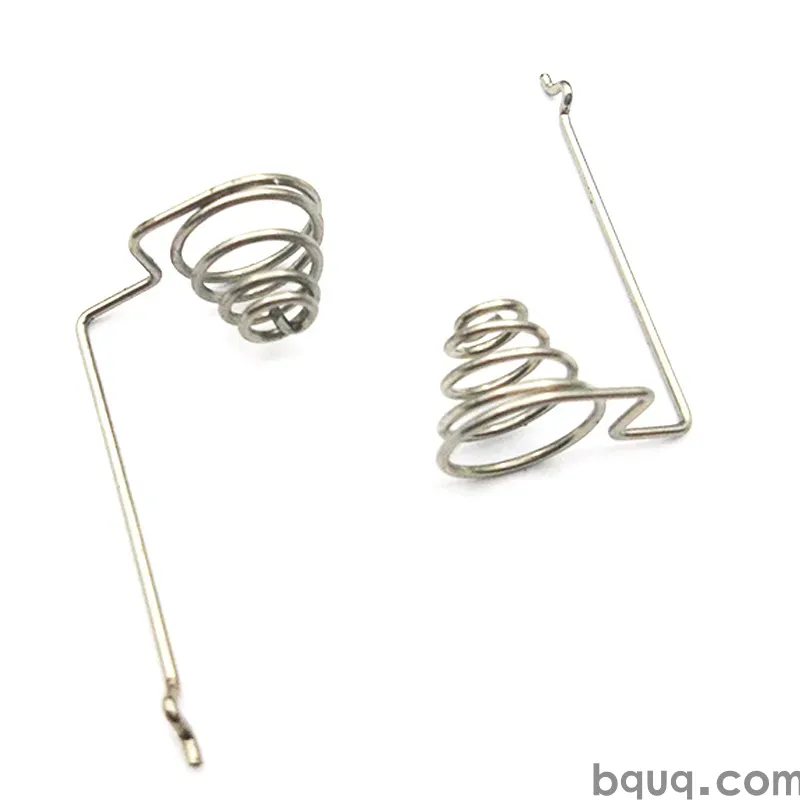
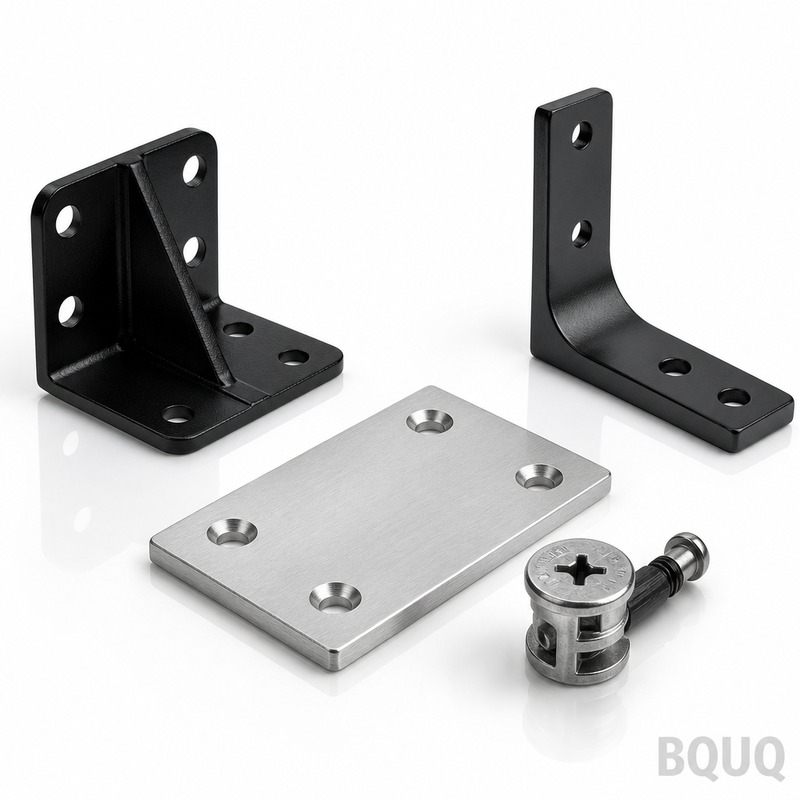
Литье с закладными элементами естественно находится между штамповочным производством и литьевым производством. Когда вставка является точным элементом, штамповочный поставщик несет большую часть риска. На BQUQ мы изготавливаем штампованную вставку — терминалы, штифты, кронштейны и контактные пружины на ленте-носителе — с плоскостностью, допусками на позиционирование и покрытием, которые требуются для литья, и координируем передачу, чтобы литейщик получал вставки, которые загружаются без переделок. Сообщите нам смолу и схему баз формы, и вставка будет спроектирована так, чтобы соответствовать и штампу, и полости.
Часто задаваемые вопросы
Вопрос: Пластик связывается с металлической вставкой или просто захватывает ее?
Просто захватывает. Соединения при литье с закладными элементами являются механическими: пластик усаживается вокруг и через анкерные элементы, такие как отверстия, накатка и фланцы. Вот почему геометрия анкера, заложенная в штамповку, важнее любой поверхностной обработки для прочности на вырыв.
Вопрос: Какие элементы штамповки дают наибольшую стойкость к вырыву?
Сквозные отверстия, которые пластик полностью заполняет, являются наиболее надежным анкером, поскольку пластиковая пробка механически сопротивляется осевому вырыву. Буртики и развальцованные головки работают аналогично. Накатка в основном сопротивляется проворачиванию и добавляет некоторый захват, но гладкий круглый штифт легко выдергивается.
Вопрос: Следует ли наносить покрытие до или после литья с закладными элементами?
До. Нанесите покрытие на ленту, затем формуйте. Покрытие после литья означает защиту пластика от химикатов покрытия и риск коррозии на интерфейсе. Если покрытие должно быть селективным, попросите поставщика ленты замаскировать или селективно покрыть только открытые контактные зоны.
Вопрос: Почему детали с закладными элементами стоят дороже за штамповку, но экономят деньги в целом?
Сама вставка — лишь часть стоимости. Литье с закладными элементами устраняет этап сборки корпуса, крепеж и накопление допусков отдельных деталей. При достаточном объеме литая сборка стоит меньше, чем много деталей в сборе, даже с более дорогой точной вставкой.
Вопрос: Какие допуски может выдерживать штампованная вставка для литья?
Позиционирование между элементами обычно выдерживается в пределах ±0,05–0,10 мм в прогрессивном штампе, с контролем плоскостности за счет натяжения ленты и конструкции штампа. Литейщики базируются от тех же баз, поэтому указывайте допуски вставки от схемы базирования формы, чтобы литая деталь оставалась в спецификации.
Автор: инженерная команда BQUQ. BQUQ — сертифицированный по ISO9001 завод-источник в Дунгуане, Китай, выполняющий CNC-обработку, штамповку металла, изготовление пружин на заказ, радиаторов и цанг под одной крышей. Отправьте чертежи на sc@bquq.com или WhatsApp +86 13713157787 для получения предложения в течение 12 рабочих часов. www.bquq.com