Балансировка цанговых патронов на высоких скоростях: классы ISO 1940-1 G6.3, G2.5 и G1, а также балансировка собранного патрона. BQUQ изготавливает цанговые патроны.
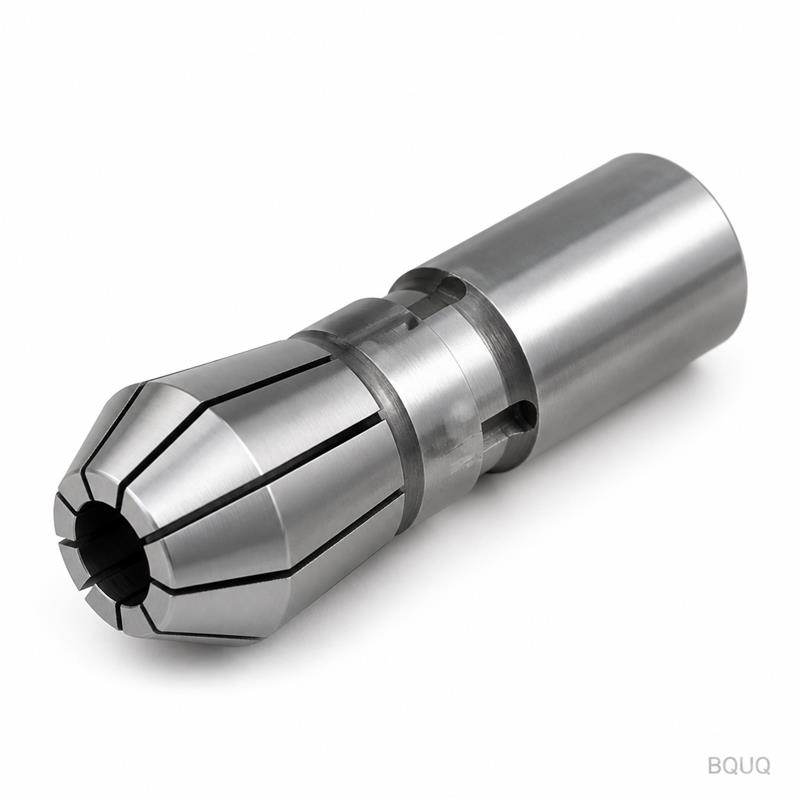
Балансировка цанговых патронов для высокоскоростной обработки: класс G2.5 и выше
Цанговый патрон, который плавно работает при 8 000 об/мин, может разрушить станок при 20 000 об/мин, поскольку сила дисбаланса растет пропорционально квадрату скорости. Классы балансировки, такие как G2.5, определенные стандартом ISO 1940-1, показывают, какой остаточный дисбаланс безопасен для вашей максимальной скорости — и единственный честный способ достичь их на высоких скоростях — это балансировка собранного патрона: корпуса, цанги и гайки вместе.
Концентричность и балансировка — это разные качества. Патрон может быть идеально концентричным — каждая поверхность точно соосна оси — и все равно вибрировать, потому что масса вокруг оси распределена неравномерно. Прорези цанги, приводные лыски гайки, отверстия под установочные винты: все это асимметрия. На низких скоростях вы этого не замечаете. Примерно после 10 000 об/мин вы ощущаете это на качестве поверхности, стойкости инструмента и, в конечном счете, на подшипниках шпинделя. Это руководство объясняет классы, физику и процесс балансировки.
Почему дисбаланс становится опасным на скорости
Несбалансированное вращающееся тело создает вращающуюся силу, равную массе дисбаланса, умноженной на ее радиус и на квадрат угловой скорости: F = m × r × ω². Удвоение скорости учетверяет силу. Вот почему один и тот же патрон, который вполне приемлем при 8 000 об/мин, violently вибрирует при 24 000 об/мин — при тройной скорости сила дисбаланса возрастает в девять раз.
Конкретный пример делает это наглядным. Возьмем остаточный дисбаланс 1 г·мм — очень малую величину, около грамма материала, смещенного на один миллиметр от оси. При 10 000 об/мин он создает примерно 1 Н вращающейся силы; при 30 000 об/мин те же 1 г·мм создают примерно 10 Н, колеблющихся с частотой 500 Гц. Десять ньютонов вращающейся силы на патроне — это проблема с качеством поверхности, проблема со стойкостью инструмента и, в конечном счете, проблема со шпинделем.
| Скорость (об/мин) | Сила от дисбаланса 1 г·мм (прибл.) | Что вы замечаете |
|---|---|---|
| 5 000 | ~0,3 Н | Мало что |
| 10 000 | ~1 Н | Следы обработки на длинном инструменте |
| 20 000 | ~4 Н | Вибрации, ускоренный износ инструмента |
| 30 000 | ~10 Н | Вибрация шпинделя, риск повреждения подшипников |
Приблизительные значения — точная сила зависит от радиуса и скорости вместе. Форма кривой — вот урок: проблемы дисбаланса возникают внезапно с ростом скорости, поэтому высокоскоростные шпиндели имеют встроенные требования к балансировке.
Числа G: что на самом деле означает G2.5
ISO 1940-1 определяет классы качества балансировки числом G, за которым следует максимально допустимая скорость центра масс ротора в миллиметрах в секунду: G6.3, G2.5, G1, G0.4. Чем ниже число G, тем жестче требования к балансировке. Допустимый остаточный дисбаланс зависит от класса, массы ротора и рабочей скорости, поэтому требование G2.5 для тяжелого патрона при 20 000 об/мин допускает больший абсолютный дисбаланс в г·мм, чем G2.5 для легкого патрона на той же скорости — класс масштабируется вместе с ротором.
| Класс балансировки | Типичные рекомендации по применению | Типичный диапазон скоростей |
|---|---|---|
| G6.3 | Обычные детали машин, стандартные патроны | До ~10 000 об/мин |
| G2.5 | Высокоскоростной инструмент, цанговые патроны, двигатели | ~10 000–25 000 об/мин |
| G1 | Прецизионные шпиндели и их оснастка | 25 000 об/мин и выше |
| G0.4 | Сверхточные шпиндели, приборы | Максимальные скорости |
Эта таблица является типичной отраслевой рекомендацией, а не нормативом — требования к применению варьируются в зависимости от производителя станков. Практический вывод: если ваш шпиндель работает при 20 000 об/мин, патрон с балансировкой G2.5 является обычным исходным требованием, а G1 становится актуальным для самых быстрых шпинделей и наибольших вылетов инструмента.
Что балансировать: узел, а не детали
Вот ошибка, которая сводит на нет большинство программ балансировки: балансировка голого патрона с последующим добавлением несбалансированной гайки. Гайка составляет значительную долю вращающейся массы, и ее угловое положение относительно патрона определяет результат. Цанга также важна — ее прорези и любая производственная асимметрия вносят свой вклад, и другая цанга в том же патроне меняет баланс. Поэтому правило простое: балансируйте собранный комплект — корпус патрона, цангу, гайку — точно так, как он будет работать, и отмечайте положение гайки и цанги, чтобы сборка каждый раз производилась одинаково.
| Компонент | Почему он должен участвовать в балансировке |
|---|---|
| Корпус патрона | Основная масса; имеет прорези, резьбы, приводные элементы |
| Гайка цанги | Большая вращающаяся масса; ее угловое положение меняет баланс |
| Цанга | Прорези и асимметрия вносят свой вклад |
| Хвостовик крепления | Небольшой, но в некоторых конструкциях на большом радиусе |
| Хвостовик инструмента | Длинный инструмент добавляет массу и вылет — балансируйте, где возможно |
Балансировка выполняется на балансировочном станке, который вращает узел и сообщает величину и угол дисбаланса. Небольшие исправления вносятся шлифовкой балансировочной точки, установочными винтами в резьбовых отверстиях или регулировочными кольцами — метод менее важен, чем измерение после каждой коррекции. Двухплоскостная балансировка применяется для длинных узлов; одноплоскостной достаточно для коротких патронов.
Балансировка и биение: не смешивайте эти понятия
Не исправляйте проблемы балансировки, внося биение в узел. Патрон может быть сбалансирован с эксцентричным посадочным местом цанги, если масса случайно уравновесится — и тогда каждый инструмент будет работать со смещением от центра, даже если вибрация исчезнет. Балансируйте в собранном состоянии, но проверяйте концентричность с помощью контрольной оправки в той же сборке: индикатор у носика, затем на рабочем расстоянии. Оба показателя должны быть в норме, иначе патрон просто обменял один дефект на другой. Если вы видите обе проблемы одновременно, руководство по обслуживанию для цанговых патронов: устранение неисправностей охватывает диагностику.
При покупке высокоскоростной оснастки спрашивайте, к чему относится класс балансировки. Наклейка «G2.5» на коробке ничего не значит, если цанга и гайка не были частью измерения. BQUQ изготавливает цанговые патроны для инструмента и выполняет работы по патронам для швейцарских станков на оборудовании с ЧПУ с возможностью обработки с точностью ±0.005 мм, поэтому геометрия, от которой зависит балансировка — точные отверстия, концентричные посадочные места, равномерные прорези — контролируется еще до вопроса о сборке. Отправьте вашу скорость шпинделя, размер патрона и требование к балансировке на sc@bquq.com для получения предложения в течение 12 рабочих часов.
Часто задаваемые вопросы
В: Что означает класс балансировки G2.5?
О: Это класс качества по стандарту ISO 1940-1: центр масс ротора не должен двигаться быстрее 2,5 мм/с. Более низкое значение G означает более жесткие требования к балансировке. G2.5 — обычное требование для держателей инструмента, работающих при примерно 10 000–25 000 об/мин.
В: Нужно ли балансировать цанговые патроны при скорости ниже 10 000 об/мин?
О: Обычно нет. Сила дисбаланса растет пропорционально квадрату скорости, и ниже примерно 10 000 об/мин силы от типичной асимметрии патрона достаточно малы, чтобы их можно было игнорировать. За этим порогом балансировка становится частью процесса.
В: Зачем балансировать гайку и цангу вместе с патроном?
О: Потому что гайка — это большая вращающаяся масса, а цанга вносит свою собственную асимметрию. Голый патрон, сбалансированный отдельно, выходит из баланса, как только вы добавляете компоненты. Балансируйте именно тот узел, который будет работать, и собирайте его одинаковым образом.
В: Можно ли сбалансировать патрон, меняя положение цанги?
О: Только как временная мера. Поворот цанги или гайки меняет фазу их дисбаланса и может уменьшить общую вибрацию, но не устраняет дисбаланс — и может обменять вибрацию на биение. Правильная коррекция удаляет массу или добавляет регулируемые грузики, после чего вы повторяете измерение.
В: Как узнать, нужна ли моему патрону повторная балансировка?
О: Перебалансируйте после любого изменения — новой гайки, новой цанги, перешлифовки или повреждения — а также при ухудшении вибрации или качества поверхности на скорости. Если после смены инструмента внезапно появляется вибрация, которой раньше не было, подозревайте балансировку узла, прежде чем винить инструмент.
Автор: инженерная команда BQUQ. BQUQ — сертифицированный по ISO9001 завод-изготовитель в Дунгуане, Китай, где под одной крышей выполняются CNC-обработка, штамповка металла, изготовление пружин на заказ, радиаторов и цанговых патронов. Отправляйте чертежи на sc@bquq.com или в WhatsApp +86 13713157787 для получения предложения в течение 12 рабочих часов. www.bquq.com