Цанговые патроны для инструмента: интерфейсы шпинделя BT, CAT и HSK, гнезда ER и суммарное биение. BQUQ изготавливает цанговые патроны.
Цанговые патроны для инструмента: интерфейсы BT, CAT и HSK
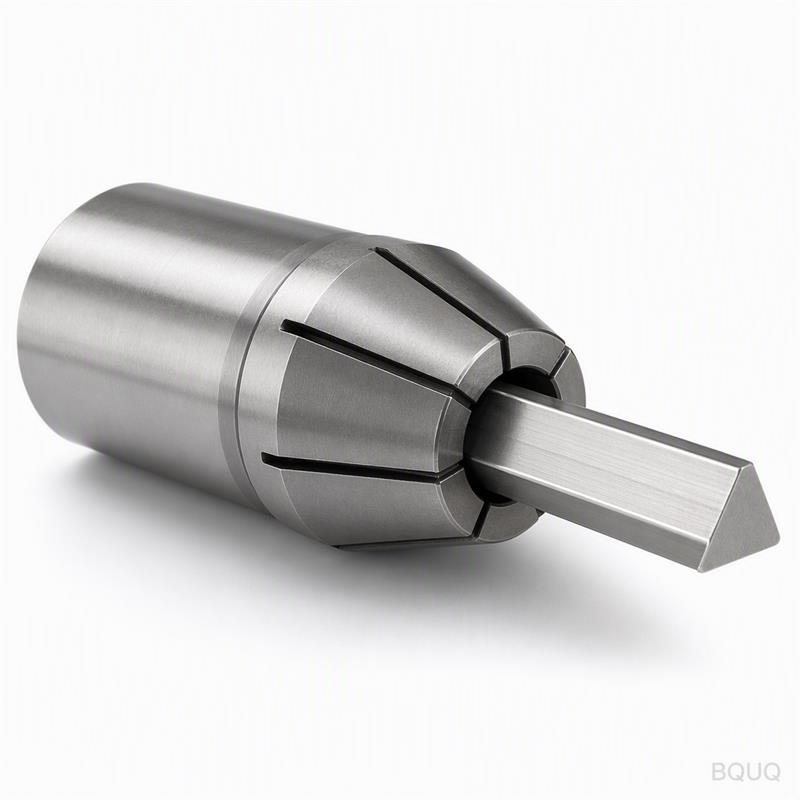
Цанговый патрон для инструмента — это устройство, которое соединяет режущий инструмент со шпинделем станка с ЧПУ: корпус патрона с коническим или полым хвостовиком на стороне станка (BT, CAT или HSK) и прецизионное цанговое гнездо на стороне инструмента, обычно ER, которое зажимает хвостовик инструмента. Сторона станка определяет, подходит ли он к вашему шпинделю; сторона цанги определяет, насколько точно вращается инструмент.
Два конца, два стандарта, одна деталь — вот и вся суть. Механик, который понимает только сторону цанги, все равно не сможет купить патрон, потому что интерфейс шпинделя должен соответствовать станку. Тот, кто понимает только конус, не сможет контролировать биение, потому что цанговое гнездо и гайка несут точность со стороны инструмента. Это руководство охватывает оба конца и суммарную погрешность между ними.
Сторона станка: BT, CAT и HSK
Интерфейс шпинделя должен передавать крутящий момент, позиционировать патрон по точной контрольной линии и притягивать его к торцу шпинделя или конусу. Три семейства доминируют в фрезерной и сверлильной обработке с ЧПУ: BT и CAT — оба с крутым конусом 7:24 (примерно 16,6 градусов в сумме), которые полагаются на конус для позиционирования, отличаясь конструкцией фланца, геометрией тягового болта и регионами, где они стали стандартом; HSK — это полый короткий конус (1:10), который садится и на конус, и на фланец для двойного контакта.
| Интерфейс | Семейство стандартов | Конус | Тип контакта | Где доминирует |
|---|---|---|---|---|
| BT | MAS 403 (BT-403) | 7:24 крутой | Конус (существуют варианты с двойным контактом) | Азия, станки японской спецификации |
| CAT | ASME B5.50 | 7:24 крутой | Конус | Северная Америка |
| SK/DIN | DIN 69871 | 7:24 крутой | Конус | Европа |
| HSK | DIN 69893 | 1:10 полый | Конус + фланец (двойной контакт) | Высокоскоростная обработка, все регионы |
Патроны CAT и BT выглядят похоже, но не взаимозаменяемы: толщина фланца, положение тягового болта и габаритные размеры различаются, поэтому патрон BT не будет правильно сидеть в шпинделе CAT и наоборот. HSK выпускается в буквенных вариантах — HSK-A — универсальная форма для автоматической смены, HSK-E — более легкий и жесткий для высоких скоростей, HSK-T для токарной обработки — а число после (HSK-63, HSK-100) — это диаметр фланца в миллиметрах. Наше руководство по стандартам патронов BT vs CAT vs HSK vs DIN 6499 подробно рассматривает стандарты.
Сторона инструмента: гнезда ER и их назначение
На стороне инструмента цанговый патрон чаще всего представляет собой гнездо ER: прецизионное отверстие с внутренним конусом, в которое сжимается цанга ER при затягивании гайки. ER соответствует ISO 15488 (DIN 6499), а размер гнезда определяется наружным диаметром цанги — гнездо ER32 принимает цанги ER32, которые зажимают хвостовики до примерно 20 мм. Отверстие гнезда, конус, резьба гайки и цанга — все влияет на точность вращения инструмента.
Биение на конце инструмента — это суммарная погрешность, а не одно число. Собственное биение шпинделя добавляется к точности конуса патрона, которая добавляется к концентричности цангового гнезда, которая добавляется к биению цанги с контрольным стержнем, которая добавляется к посадке гайки и, наконец, к прямолинейности хвостовика инструмента. Прецизионный патрон не может исправить изогнутый хвостовик, а идеальный хвостовик не может исправить грязный конус. Типичные современные цанговые патроны обеспечивают биение 0,005–0,015 мм у носика в зависимости от класса, а инструмент добавляет свой вклад дальше.
| Источник погрешности | Типичный вклад в биение на конце |
|---|---|
| Биение носика шпинделя | Зависит от состояния станка |
| Посадка конуса патрона | 0,002–0,008 мм типично для хороших конусов |
| Цанговое гнездо + цанга | 0,005–0,015 мм типично по классу |
| Посадка гайки | Незначительно при правильном моменте затяжки |
| Прямолинейность хвостовика инструмента | Зависит от спецификации хвостовика |
Опять типичные диапазоны — суть в том, что вы управляете биением, воздействуя на каждый фактор, начиная с тех, которые можно измерить: чистые конусы, правильный момент затяжки и проверка собранного патрона с контрольным стержнем.
Балансировка и ограничения скорости
При обычных скоростях шпинделя небольшие асимметрии цангового патрона не имеют значения. Примерно после 10 000–15 000 об/мин они начинают иметь значение: гайка, прорези цанги и любая неравномерная масса создают дисбаланс, который вызывает вибрацию шпинделя и ухудшает качество реза. Вот почему высокоскоростные патроны балансируются в собранном состоянии — патрон плюс цанга плюс гайка, потому что гайка является значительной вращающейся массой, и ее положение относительно патрона имеет значение. Классы балансировки соответствуют ISO 1940-1, при этом G6.3 является обычным для универсальных патронов, а G2.5 или лучше — для высокоскоростных работ; подробности в нашей статье о балансировке цанговых патронов.
Отсюда следуют два правила эксплуатации. Затягивайте цанговую гайку с моментом, указанным производителем, каждый раз — недостаточная затяжка позволяет инструменту вытягиваться, а чрезмерная затяжка деформирует цангу за пределы ее диапазона сжатия и увеличивает биение. И перепроверяйте балансировку после замены любого компонента: сбалансированный патрон с другой гайкой — это просто патрон.
Покупка и проверка цангового патрона
При выборе цангового патрона укажите четыре параметра: интерфейс шпинделя и размер (BT40, CAT40, HSK-63A…), размер цангового гнезда (ER25, ER32…), необходимый вылет или контрольную длину, а также класс балансировки для вашей максимальной скорости. Затем проверьте при получении — не полагайтесь на каталог: очистите конус, установите шлифованный контрольный стержень и измерьте биение у носика и на заданном расстоянии (обычно 25–50 мм). Патрон, который показывает больше, чем его класс у носика, имеет проблему с посадкой, загрязнением или обработкой.
BQUQ изготавливает цанговые патроны для инструмента на токарных и фрезерных станках с ЧПУ с возможностью ±0.005 мм — отверстия корпусов, посадочные конусы и цанговые гнезда обрабатываются и проверяются, а не предполагаются — наряду с линиями швейцарских и силовых патронов под одной крышей ISO9001 в Дунгуане. Отправьте ваш интерфейс шпинделя, размеры цанг и требования к скорости на sc@bquq.com для получения предложения в течение 12 рабочих часов.
Часто задаваемые вопросы
В: В чем разница между патронами BT и CAT?
О: Оба являются патронами с крутым конусом 7:24, но это разные стандарты — BT соответствует MAS 403 (азиатские станки), CAT соответствует ASME B5.50 (Северная Америка). Размеры фланцев и тяговые болты различаются, поэтому они не взаимозаменяемы в одном и том же шпинделе.
В: Почему в цанговых патронах используются цанги ER?
О: Цанги ER стандартизированы (ISO 15488/DIN 6499), доступны с шагом 1 мм и сжимаются достаточно, чтобы зажимать несколько размеров хвостовиков каждая, что делает замену инструмента быстрой и упрощает складирование. Они хорошо сочетают стоимость, усилие зажима и биение для большинства фрезерных и сверлильных работ.
В: Как измерить биение цангового патрона?
О: Очистите конус патрона и гнездо, установите шлифованный контрольный стержень точного размера хвостовика в цангу, затяните гайку с заданным моментом, затем снимите показания индикатора у носика и снова на расстоянии 25–50 мм. Поверните шпиндель вручную и запишите TIR в обеих позициях.
В: HSK лучше, чем BT или CAT?
О: Для высокоскоростных и высокоточных работ — обычно да: полый конус 1:10 с контактом по фланцу дает более короткое, жесткое и повторяемое соединение. Для существующего станка интерфейс фиксирован: покупайте то, что принимает шпиндель, а не то, что теоретически лучше.
В: Можно ли установить патрон CAT в шпиндель BT с помощью переходника?
О: Конусные переходники существуют, но добавляют соединение, длину и биение — и сводят на нет жесткость, ради которой вы купили патрон. Если вы работаете с обоими стандартами, держите отдельные патроны для каждого шпинделя; переходник — это временное решение, а не выход.
Автор: инженерная команда BQUQ. BQUQ — сертифицированный по ISO9001 завод-источник в Дунгуане, Китай, где под одной крышей работают линии обработки с ЧПУ, штамповки, изготовления пружин, радиаторов и цанговых патронов. Отправляйте чертежи на sc@bquq.com или WhatsApp +86 13713157787 для получения предложения в течение 12 рабочих часов. www.bquq.com