Силовые патроны для токарной обработки: гидравлический и пневматический привод, усилие зажима на скорости и безопасность кулачков. BQUQ изготавливает силовые патроны с точностью до 0,005 мм.
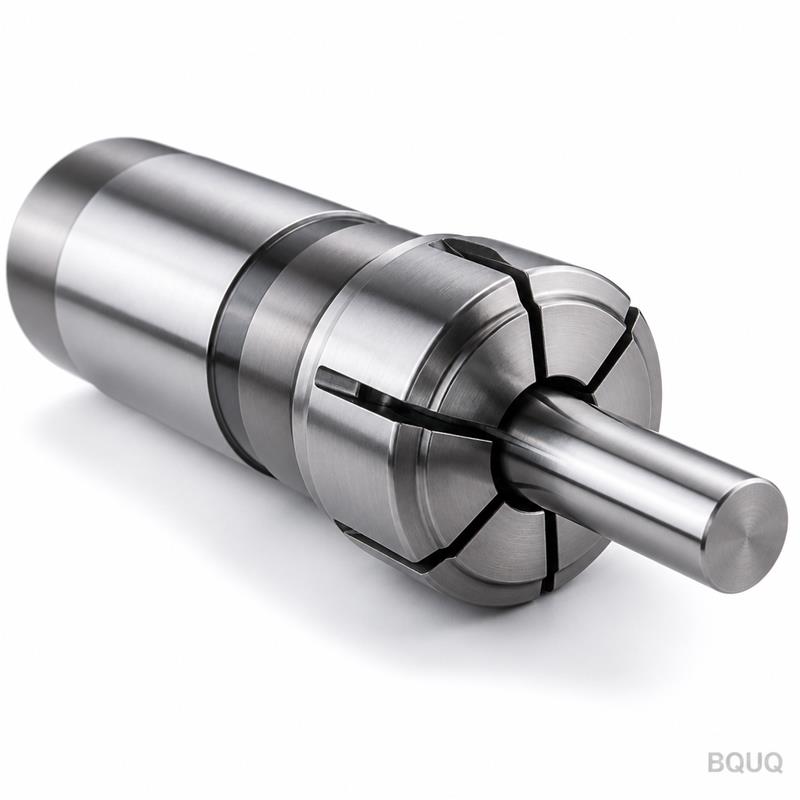
Силовые патроны: гидравлический и пневматический захват для токарной обработки
Силовой патрон — это самоцентрирующийся патрон, который открывается и закрывается под действием гидравлического или пневматического давления, а не вручную, что обеспечивает производственному токарному станку быструю и повторяемую смену деталей с усилием зажима, задаваемым оператором, а не силой рук. Гидравлический привод обеспечивает усилие; пневматический — скорость; оба существуют, потому что ручной зажим — это узкое место, которое никто не закладывает в бюджет.
На ручном токарном станке патрон — это приспособление. На производственном токарном станке патрон — это механизм: он совершает тысячи циклов за смену, должен зажимать с повторяемым усилием и не должен отпускать деталь, когда частота вращения шпинделя и силы резания противодействуют ему. Силовые патроны автоматизируют этот цикл. В этом руководстве рассматривается, как они работают, выбор между гидравликой и пневматикой, а также физика усилия зажима, которая определяет, останутся ли ваши детали на месте.
Устройство силового патрона
Система силового патрона состоит из четырех частей. Корпус патрона крепится на фланец шпинделя. Внутри механизм — обычно клино-крючковый или рычажный — преобразует осевое движение в радиальное перемещение кулачков. Привод — это гидравлический или пневматический цилиндр, установленный за шпинделем и соединенный с патроном тягой через отверстие шпинделя. И кулачки, обычно три, несут закаленные верхние кулачки или обрабатываемые мягкие кулачки, которые непосредственно соприкасаются с деталью.
Механизм важен, потому что он определяет характер патрона. Клино-крючковые патроны являются производственным стандартом: жесткие, точные, и их усилие зажима можно регулировать, изменяя давление. Рычажные патроны в некоторых конструкциях лучше удерживают усилие на скорости, поскольку геометрия рычажной системы компенсирует центробежные эффекты. Червячные патроны — это ручной предок. Для прутковой работы используется патрон со сквозным отверстием, позволяющий прутку проходить через шпиндель; для заготовок, зажимаемых в кулачках, закрытый центр обеспечивает большую жесткость.
| Тип патрона | Привод | Типичные преимущества | Типичные ограничения |
|---|---|---|---|
| Клино-крючковый силовой патрон | Гидравлический или пневматический | Жесткий, точный, регулируемое усилие | Ограниченный ход кулачков для каждого типоразмера |
| Рычажный силовой патрон | Гидравлический | Хорошее удержание усилия на скорости | Больше деталей, выше стоимость |
| Червячный патрон | Ручной (существуют силовые версии) | Низкая стоимость, большой ход кулачков | Медленнее, менее повторяемое усилие |
| Силовой патрон со сквозным отверстием | Гидравлический/пневматический | Прутковая и штучная работа на одном шпинделе | Меньшее усилие зажима по сравнению с закрытым центром |
Гидравлика против пневматики: реальный компромисс
Пневматические патроны дешевле и быстрее в цикле — заводской воздух есть везде, а пневматический цилиндр срабатывает быстро. Но воздух сжимаем, поэтому пневматический захват мягче, и усилие падает при утечках в системе или просадке компрессора. Гидравлические патроны стоят дороже и требуют насоса и резервуара, но масло практически несжимаемо: захват жесткий, усилие повторяемое, и тот же типоразмер патрона может обеспечить значительно более высокое усилие на кулачках. Выбор зависит от обрабатываемой детали: легкие сплавы и деликатные детали отлично работают на пневматике; сталь и агрессивное черновое точение требуют гидравлики.
| Фактор | Пневматический | Гидравлический |
|---|---|---|
| Типичное питание | Заводской воздух, 6–8 бар | Масло, типично до ~70 бар |
| Жесткость захвата | Мягкий (воздух сжимается) | Жесткий (масло почти несжимаемо) |
| Скорость цикла | Быстрая | Немного медленнее, но регулируемая |
| Типичный диапазон усилия зажима (патрон 6 дюймов, типичный) | ~5–15 кН | ~20–50 кН |
| Стоимость и обслуживание | Низкие | Выше, требуется обслуживание масляной системы |
Значения усилия являются типичными каталожными диапазонами для патрона среднего размера и зависят от давления, веса кулачков и конструкции. Запомните закономерность: пневматика выигрывает по скорости и цене для легких работ; гидравлика — везде, где жесткость и усилие зажима определяют режим резания.
Усилие зажима на скорости: физика, от которой никуда не деться
Вот цифра, которая удивляет новых операторов: усилие зажима патрона в покое — это не его усилие зажима при 4000 об/мин. Кулачки — это массы на вращающемся носителе, и центробежная сила стремится выбросить их наружу, противодействуя зажиму. Чем больше и тяжелее кулачки — особенно мягкие — тем больше усилия вы теряете с ростом скорости. Патрон, рассчитанный на полное усилие зажима в покое, может потерять треть или более этого усилия на высокой скорости с тяжелыми кулачками.
| Частота вращения шпинделя | Типичное сохраняемое усилие зажима (иллюстративно) |
|---|---|
| 0 об/мин (статический номинал) | 100% |
| ~2000 об/мин, легкие кулачки | ~90–100% |
| ~4000 об/мин, легкие кулачки | ~70–85% |
| ~4000 об/мин, тяжелые мягкие кулачки | ~50–70% |
Это иллюстративные закономерности удержания, а не универсальная кривая — каждый производитель патронов публикует график зависимости усилия зажима от скорости для своей модели и комплекта кулачков, и вам следует избегать любого поставщика, который не может его показать. Практические правила: обрабатывайте мягкие кулачки легкими режимами, добавляйте коэффициент запаса к усилию зажима для тяжелого чернового точения и никогда не предполагайте, что статический номинал применим на вашей максимальной скорости.
Кулачки, безопасность и обслуживание
Существуют две философии верхних кулачков. Закаленные верхние кулачки с зубчатыми или секторными вставками предназначены для повторяющихся работ на фиксированных диаметрах. Обрабатываемые мягкие кулачки растачиваются или обтачиваются по точному контуру детали, что распределяет усилие зажима по большей площади — правильное решение для тонкостенных деталей, нестандартных форм и работ, где недопустимо оставлять следы на заготовке. Какими бы ни были кулачки, линия зажима должна быть как можно ниже, чтобы уменьшить изгиб детали, а усилие зажима должно устанавливаться под деталь, а не под максимальную мощность патрона.
Безопасность силового патрона не обсуждается: при потере давления патрон должен либо оставаться закрытым, либо быть заблокирован против запуска шпинделя, ход тяги должен проверяться перед закрытием дверцы, а усилие зажима следует периодически измерять динамометром, а не предполагать по манометру. Обслуживание в основном сводится к смазке клиновых направляющих и проверке износа зубьев кулачков — патрон, который перестает самоцентрироваться, обычно сначала загрязнен или высох, а уже потом изношен. Наше сравнение цанговых и кулачковых патронов рассматривает, когда переходить с кулачковых патронов на цанги для малых круглых деталей, а руководство по цанговым патронам 2J показывает альтернативу с цангами для швейцарских и автоматных токарных станков.
Когда для работы требуется патрон или цанговый патрон, изготовленный с реальным допуском — посадочные места кулачков, конусы и установочные отверстия класса 0,005 мм — BQUQ изготавливает силовые патроны и патроны швейцарского типа, а также цанги для автоматных токарных станков на оборудовании с ЧПУ под одной крышей с сертификатом ISO9001 в Дунгуане. Отправьте размеры фланца шпинделя, прутка или заготовки и требования к кулачкам на sc@bquq.com для получения предложения в течение 12 рабочих часов.
Часто задаваемые вопросы
Вопрос: Какое усилие зажима мне на самом деле нужно?
Ответ: Достаточное, чтобы деталь не провернулась и не вырвалась при самой тяжелой обработке, с запасом прочности — обычно в 2–3 раза больше расчетного крутящего момента резания. Измеряйте его динамометром на рабочей скорости, а не полагайтесь только на манометр.
Вопрос: Достаточно ли точен пневматический патрон для прецизионного точения?
Ответ: Да, для многих работ — точность центрирования патрона определяется его механизмом и кулачками, а не рабочей жидкостью. Пневматические патроны отлично сохраняют точность; их ограничение — более мягкое, менее повторяемое усилие зажима, что важнее для тяжелых режимов резания, чем для допусков.
Вопрос: Почему моя деталь проскальзывает на высоких оборотах, если на низких она держалась нормально?
Ответ: Центробежная сила на кулачках противодействует вашему зажиму и растет пропорционально квадрату скорости. Тяжелые мягкие кулачки теряют больше всего. Проверьте график зависимости усилия от скорости производителя и либо повысьте давление, либо облегчите кулачки, либо снизьте максимальную скорость.
Вопрос: Как часто следует проверять усилие зажима на силовом патроне?
Ответ: Планируйте проверку усилия зажима при каждой крупной смене задания и через регулярные интервалы — для производственных ячеек обычно ежемесячно — а также при любой смене типа кулачков или изменении качества. Усилие падает из-за износа и загрязнения задолго до того, как патрон начнет выглядеть плохо.
Вопрос: Можно ли пропускать пруток через силовой патрон?
Ответ: Только через патрон со сквозным отверстием, если шпиндель и тяга обеспечивают зазор для прутка. Если прутковая работа планируется в будущем, покупайте версию со сквозным отверстием сразу — переделка патрона с закрытым центром под пруток означает его замену.
Автор: инженерная команда BQUQ. BQUQ — это производственный завод с сертификатом ISO9001 в Дунгуане, Китай, где под одной крышей работают линии ЧПУ-обработки, штамповки, изготовления пружин на заказ, радиаторов и цанг. Отправьте чертежи на sc@bquq.com или в WhatsApp +86 13713157787 для получения предложения в течение 12 рабочих часов. www.bquq.com