Цанги Swiss удерживают заготовку, цанги ER удерживают режущий инструмент: диапазон зажима, точность и почему их смешение приводит к ошибкам. BQUQ производит оба семейства.
Цанги Swiss против ER: зажим заготовки против зажима инструмента — не путайте их
Цанга Swiss удерживает заготовку; цанга ER удерживает режущий инструмент. Они выглядят отдаленно похоже — прорезные стальные втулки с конусом, — но они предназначены для противоположных сторон станка, и использование одной там, где нужна другая, стоит вам усилия зажима, точности и иногда бракованной детали. Системы не взаимозаменяемы, и их не следует путать.
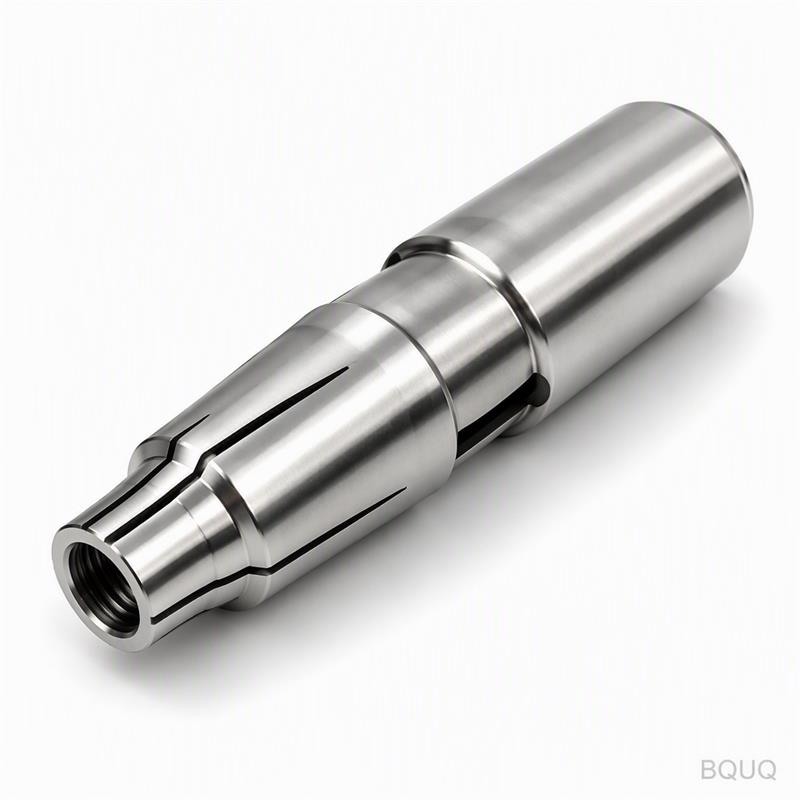
Путаница понятна. Обе называются цангами, обе имеют конические носки, обе зажимают, сжимая прорезные сегменты. Но цанга типа Swiss — это зажим заготовки: она удерживает пруток, который будет обрабатываться, выдерживает осевые усилия подачи и растачивается под пруток с точностью до сотых долей миллиметра. Цанга ER — это зажим инструмента: она удерживает цилиндрический хвостовик сверла, концевой фрезы или метчика, чтобы инструмент можно было быстро сменить в патроне, и она предназначена для захвата диапазона размеров хвостовиков, а не одного точного диаметра. Это руководство четко проводит границу.
Две системы, две задачи
Посмотрите на отверстие — и вы сразу увидите разницу. Цанга для швейцарского или автоматного токарного станка заказывается под конкретный размер прутка — отверстие для прутка 12,00 мм захватывает пруток 12,00 мм, с диапазоном сжатия всего в несколько сотых миллиметра. Цанга фактически является точным продолжением шпинделя, и пруток обрабатывается, пока он зажат. BQUQ изготавливает эти автоматные пружинные цанги типов 36/46/52/60/630/643 из закаленного сплава и пружинной стали именно для этой задачи.
Цанга ER, напротив, имеет размеры с шагом — обычно 1 мм — и каждая цанга сжимается достаточно, чтобы захватывать хвостовики в пределах своего шага. Система ER соответствует ISO 15488 (первоначально DIN 6499), и число в названии — это наружный диаметр цанги: цанга ER25 имеет наружный диаметр 25 мм и зажимает хвостовики до примерно 16 мм. Она устанавливается в патрон или гайку и ее единственная задача — жестко удерживать инструмент, пока инструмент режет.
| Свойство | Цанга типа Swiss | Цанга ER |
|---|---|---|
| Что захватывает | Пруток заготовки | Хвостовик инструмента |
| Логика отверстия | Соответствует точному размеру прутка | Шаг 1 мм с диапазоном сжатия |
| Осевая нагрузка в работе | Выдерживает усилия подачи и протяжки прутка | Минимальная; крутящий момент и радиальная нагрузка резания |
| Типичное сжатие на цангу | ~0,02–0,10 мм класс | ~0,5–1,0 мм в пределах шага |
| Стандарт | Специфический для производителя/серии (36, 46, 2J, 16C…) | ISO 15488 / DIN 6499 |
| Используется в | Шпиндель швейцарских/автоматных станков | Инструментальные револьверные головки, шпиндели, фрезерные патроны |
Значения сжатия типичны — пружинные цанги различаются по конструкции, и некоторые варианты ER «широкого диапазона» сжимаются больше. Структурный вывод остается: одна система подобрана под деталь, другая — под инструмент.
Что происходит при их смешении
Каждая ошибка приводит к предсказуемому отказу, что, по крайней мере, упрощает диагностику. Если зажать пруток в цанге ER, усилие распределяется по диапазону сжатия, предназначенному для жесткого хвостовика инструмента, а не для мягкой заготовки: пруток проскальзывает под осевой подачей, появляются следы или задиры на линии зажима, а соосность страдает, потому что цангу ER нельзя расточить под пруток. Цанги ER сделаны дешевыми и гибкими; они не являются точным эталоном, необходимым для обработки сырья.
Если попробовать обратное — цангу Swiss для удержания режущего инструмента — вы обнаружите, что хвостовик инструмента имеет стандартный размер, например 20 мм, а ваша цанга расточена под пруток 20,00 мм, и посадка никогда не гарантирована. Хуже того, цанги Swiss не стандартизированы между станками так, как цанги ER, поэтому цанга может даже не сесть в патрон. И ни одно неправильное использование не переживет аварию: цанги для заготовки и цанги для инструмента испытывают совершенно разные направления сил и режимы работы.
| Неправильное использование | Симптом | Исправление |
|---|---|---|
| Пруток в цанге ER | Проскальзывание, следы, плохая круглость | Перейти на цангу типа Swiss или токарную цангу в шпинделе |
| Инструмент в цанге Swiss | Плохая посадка, нет стандартного гнезда, вибрация | Перейти на цангу ER или TG в патроне |
| Чрезмерное сжатие ER на прутке | Деформированный или задиристый пруток | Подбирайте систему под задачу, а не под момент |
Правило, которое нужно запомнить: на станке типа Swiss шпиндельная цанга захватывает пруток (зажим заготовки), а патроны револьверной головки используют цанги ER или аналогичные для захвата инструментов (зажим инструмента) — обе присутствуют на одном станке, выполняя разные задачи. Наши руководства по патронам с цангами для инструмента и системе цанг ER подробно освещают сторону зажима инструмента.
Биение, захват и что обещает каждая система
Заявления о точности имеют смысл только в правильной системе. Биение цанги ER указывается на ее носке с калиброванным тестовым прутком — типичные стандартные классы достигают около 0,015 мм, классы повышенной точности — меньше, и число измеряется на удерживаемом инструменте. Концентричность цанги Swiss важна на шпинделе, потому что она определяет, насколько точно вращается сырой пруток при обработке; здесь полезный класс составляет около 0,005 мм, и он зависит от цанги, гнезда патрона и прямолинейности прутка вместе.
Вот почему цех, работающий с обеими сторонами, должен придерживаться двух стандартов, а не одного. На стороне инструмента задача ER — повторяемая смена инструмента с достаточно хорошим биением для операции. На стороне заготовки задача цанги — быть истинным продолжением шпинделя, чтобы каждая деталь начиналась из одного центра. Если ваши патроны для цанг Swiss и инструментальные цанги ER обработаны на заводе-изготовителе с возможностями CNC ±0,005 мм, вы получаете надежную базовую линию с обеих сторон резания.
Часто задаваемые вопросы
В: Можно ли использовать цангу ER для удержания прутка на станке Swiss?
О: Не как основной зажим заготовки. Цанги ER захватывают хвостовики инструментов в диапазоне сжатия и не имеют точного соответствия отверстия, осевого захвата и посадки в шпиндель, необходимых для работы с прутком. Используйте цанги типа Swiss для прутка; оставьте ER для инструментов.
В: Почему цанги ER выпускаются с шагом размера 1 мм?
О: Потому что каждая цанга ER сжимается примерно на полмиллиметра на сторону в пределах своего шага, одна цанга может захватывать несколько диаметров хвостовиков в своем диапазоне. Эта гибкость подходит для смены инструмента, где стандарты хвостовиков фиксированы, гораздо лучше, чем для сырого прутка.
В: Является ли патрон с цангой ER тем же самым, что и цанговый патрон на токарном станке?
О: Нет. Патрон с цангой ER — это держатель инструмента: он устанавливает режущий инструмент в шпиндель или револьверную головку. Токарный цанговый патрон удерживает заготовку. Общее слово «патрон» вызывает большую часть путаницы; проверьте, что именно захватывает устройство, прежде чем заказывать.
В: Какая система дает лучшее биение, Swiss или ER?
О: Для своей собственной задачи каждая может быть отличной. Прецизионные цанги ER удерживают около 0,005–0,015 мм на носке на калиброванном тестовом прутке; система цанг Swiss класса 0,005 мм сохраняет концентричность заготовки на шпинделе. Сравнивайте их только в рамках одной задачи.
В: Что означает число ER?
О: Это наружный диаметр цанги в миллиметрах. ER25 имеет наружный диаметр 25 мм и зажимает хвостовики до примерно 16 мм; ER32 — 32 мм снаружи и зажимает до примерно 20 мм. Чем больше число, тем больше цанга и тем тяжелее инструмент, который она может удерживать.
Автор: инженерная команда BQUQ. BQUQ — сертифицированный по ISO9001 завод-изготовитель в Дунгуане, Китай, выполняющий обработку на станках с ЧПУ, штамповку металла, изготовление пружин на заказ, радиаторов и цанг под одной крышей. Отправляйте чертежи на sc@bquq.com или WhatsApp +86 13713157787 для получения предложения в течение 12 рабочих часов. www.bquq.com